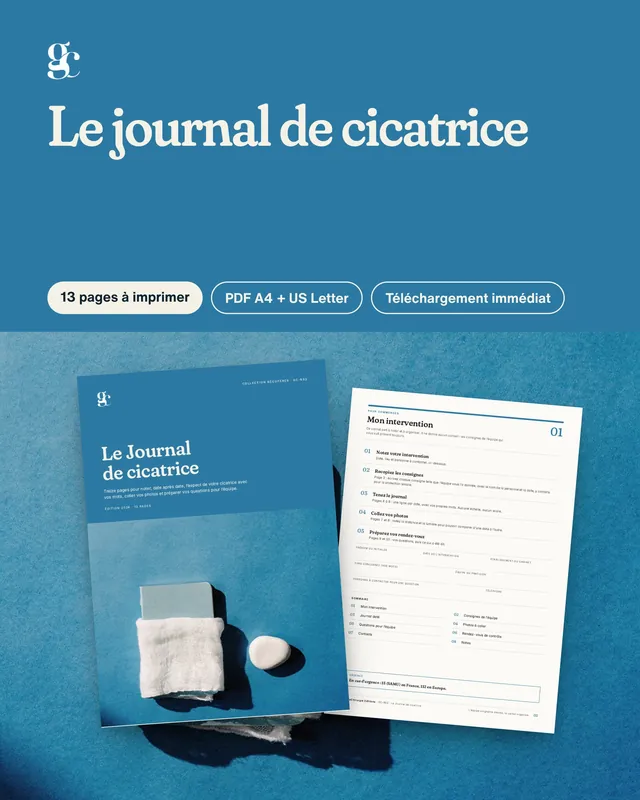
After liposuction for lipedema, recovery does not follow the same timeline for all patients. The extent of the treated area, the anesthesia used, medical history, mobility, and instructions from the medical team all influence the recovery process. Therefore, a published article or personal account should not replace the protocol provided by the surgeon.
This guide addresses essential questions about returning home and the signs that warrant prompt contact. It complements our general information on lipedema , the article on the cost, potential benefits, and risks of liposuction , the guide on the stages and types of lipedema , and the questionnaire to prepare for a consultation.
After liposuction for lipedema, what should be achieved before discharge?
- written orders and instructions;
- the name and size of the prescribed garment;
- the rules concerning walking, showering and dressings;
- contact details to call during the day and outside of normal business hours;
- the date of the next check-up;
- the expected symptoms and those that should raise concern.
Keep this information in one place and share it with the person accompanying you. The hospital bag checklist helps prepare this information before admission.
Can we walk immediately?
The French National Health Insurance (Assurance Maladie) indicates that walking is generally possible and encouraged quickly once the situation is safe. However, the surgeon and the anesthesia team will specify any limitations related to the procedure, discomfort, pain, or the risk of falling.
The goal is cautious mobilization, not performance. Alternate permitted movement with rest, without replicating another patient's program. Any new pain, dizziness, or shortness of breath should be stopped and reported.
Advertising
How to use the prescribed compression?
Post-operative clothing adheres to a surgical protocol
Compression can help control swelling and support tissues after the procedure. The style, the area covered, and the wearing instructions are determined by the medical team. A garment intended for the conservative treatment of lipedema is not automatically interchangeable with the one prescribed after surgery.
The folds and tourniquet effects must be corrected.
A garment that rolls, creates a deep crease, causes numbness, makes a tip cold, or changes color should be reassessed. Do not layer devices or choose a higher pressure setting without prior instruction.
Our article on compression garments for lipedema explains the principles of measurement, while the guide to the safe purchase of compression stockings highlights common mistakes. If the condition also affects the upper limbs, the satellite article on lipedema of the arms helps prepare the right questions without relying solely on postoperative instructions.
Edema, bruising and discharge: what can happen?
Swelling, bruising, tenderness, and drainage from small incisions may occur after the procedure, as described by the team. Their expected progression depends on the procedure itself. Instructions should specify how to protect clothing and when to change the dressing.
A sudden worsening of symptoms, significant asymmetry, a change in the nature of pain, spreading redness, or concerning drainage should not be ignored. Our general guide on postoperative edema helps prepare for contacting the medical team. Situations limited to an ankle or suggestive of lymphedema require specific diagnostic criteria and cannot determine the cause on their own.
How to monitor incisions and skin?
Follow the dressing instructions
Do not remove a dressing prematurely or apply any unintended products to an incision. Showering, drying, and dressing must follow the protocol. A dated photograph can help describe progress to the team, but it does not replace their assessment. The post-operative dressing guide outlines the criteria to check before purchasing any dressings.
If the team has authorized cold therapy on a specific area, also ask where to place the pack, how to protect the skin, and when to stop applying it. A cold pack should not be placed directly on the incision, under tight compression garments, or on any area with reduced sensitivity.
Commercial transparency: The following image and button are affiliate links to the exact same product page. GuideChirurgie may receive a commission without changing the price paid. This pouch is only useful if cold exposure has been authorized by the medical team, with textile protection, and without direct contact with an incision or insensitive skin.
Prevent friction and moisture
Clothing creases, perspiration, and movement can irritate the skin. Check accessible areas without vigorously massaging or manipulating incisions. Report any blisters, sores, dark spots, or loss of sensation.
How to manage pain and medication?
Follow the prescribed dosage and note the doses to avoid double administration. Do not add any medication, supplement, or product marketed as a diuretic without checking for interactions, bleeding risks, and anesthetic instructions.
Unrelieved pain, pain that worsens rapidly, or pain accompanied by a new symptom should be reported. Pain is not a test of willpower and should not be compared to the pain described in an online testimonial.
Advertising
Are drainage and pressotherapy standard practice?
Some protocols include drainage or specific support, but the choice depends on the procedure and the clinical condition. A pneumatic device purchased online does not replace a prescription, adjustments, and monitoring by a professional.
Ask about the purpose of the treatment, when it can begin, areas to avoid, and signs that indicate it should be stopped. A painful technique or one performed on a wound is not proof of effectiveness.
How to prepare for post-operative check-ups?
Record any new symptoms, their time of onset and progression, as well as any difficulties with clothing, dressings, or medications. Dated photographs can help the team track an accessible area, but they do not replace a check-up when an examination is necessary.
Bring your prescriptions, medication list, and discharge paperwork. Ask about the criteria used to adjust compression therapy, mobility, skincare, and return to activities. The follow-up should also specify who to contact between appointments.
To record follow-up appointments, sessions, and compression notes, our Lipoedema Monitoring Log (printable forms available for purchase) keeps them all in one place. Instructions from the surgical team always take precedence.
Don't postpone a call because you already have an appointment. A sudden change or warning sign should be assessed according to its urgency, regardless of the monitoring schedule.
How to organize the return home?
- plan for the support required after anesthesia;
- clear the passageways and reduce the risk of falls;
- place the documents, telephone and water within easy reach;
- organize meals and the necessary assistance;
- plan transport to the checkpoints;
- Do not buy medical equipment without a prescription.
The pre-operation checklist completes this organization. The follow-up budget must also be included in the calculation of lipedema treatment costs.
What signs require an urgent call?
Contact the team immediately for pain or swelling that suddenly worsens, one leg significantly more swollen than the other, hot redness that spreads, fever after surgery associated with a decline in general condition, significant bleeding, or a worrying wound.
Sudden shortness of breath, chest pain, dizziness, or loss of consciousness may indicate a serious complication. Call 15 (SAMU) in France immediately, or 112 from any other European country.
Advertising
When to resume work, driving and sports?
No single duration is suitable. Driving requires being able to get into the vehicle, brake, react, and turn without pain or medication that impairs alertness. Work depends on movement, position, and physical constraints. Sports activities resume gradually with the team's agreement.
Ask for specific criteria rather than a copied date: sufficient mobility, compatible wounds, controlled pain, and absence of worrying signs. The next check-up is an opportunity to adjust these benchmarks.