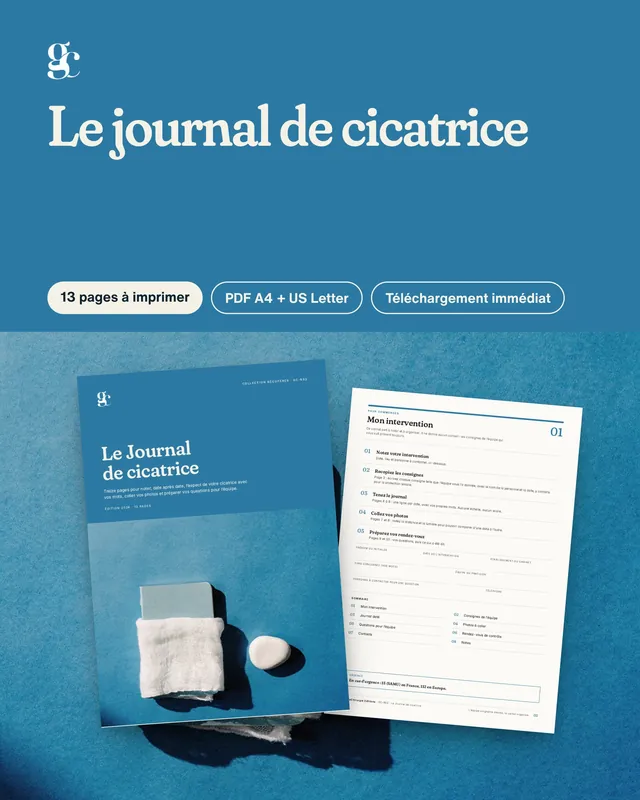
After a thyroidectomy, the discharge summary and the number provided by the surgical team take precedence over any general advice. Neck discomfort, slight difficulty swallowing, or a change in voice may occur afterward. However, rapid neck swelling or difficulty breathing should never be left to monitor at home alone.
After a thyroidectomy, what signs indicate an emergency?
If your neck swells rapidly, becomes tense, or increases in size, if you experience choking, noisy breathing, increasing difficulty swallowing, or a sudden change in your voice, immediately call 15 (SAMU) in France, or 112 from any other European country. Do the same if you experience significant muscle contractions, throat spasms, confusion, seizures, palpitations with dizziness, or loss of consciousness.
Do not drive yourself, do not massage the neck, and do not attempt to compress or open the scar. A hematoma after surgery can become compressive even if breathing is still possible.
What sensations might accompany the first sequels?
Scar sensitivity, neck tension, moderate difficulty swallowing, and reduced neck mobility may occur after the procedure. Their progression is more important than a timeline: a stable and then decreasing discomfort is not the same as a new, sudden, or worsening symptom.
Total or partial removal
Monitoring and treatment vary depending on the extent of the removal, the reason for the operation, and any events that occurred during the procedure. Keep the operative report, prescription, discharge summary, and department contact information accessible to the person accompanying you.
Advertising
How to monitor the scar
The closure may involve glue, sutures, or other devices. Follow the post-operative dressing and showering instructions . Do not remove anything, add disinfectant or cream, or massage the area until it is fully closed and you have received clearance from the team.
Redness, discharge or itching
Any redness that progresses, discharge, an opening, increasing pain, fever after the operation , or chills warrant contact on the same day. An itchy scar is not automatically infected, but it should not be scratched or treated indiscriminately.
The absence of fever does not rule out a surgical site infection . A diagnosis is made based on a combination of symptoms, their progression, and a medical examination.
Is a hoarse voice always linked to intubation?
No. A hoarse, weak, or fatigued voice can be related to a sore throat after intubation , local inflammation, or decreased vocal cord mobility. The cause should not be dismissed or diagnosed remotely.
When to request an ENT evaluation?
A new, very breathy, weak, or distinctly hoarse voice, coughing while drinking, choking, or difficulty swallowing should be reported to the surgeon promptly. A laryngeal evaluation may be indicated. Voice changes associated with breathing difficulties constitute an emergency.
Do not whisper or perform vocal exercises found online as a universal treatment. Speech therapy may be recommended after an assessment, with objectives tailored to the identified mechanism.
Tingling and cramps: why consider calcium?
After a total thyroidectomy or extensive surgery, the parathyroid glands may temporarily function less effectively, which can lead to a drop in calcium levels. Tingling around the mouth, in the hands or feet, cramps, or muscle twitching should be reported on the same day.
Why not increase calcium intake on your own?
Biological tests and treatment are individualized. Do not increase calcium or vitamin D intake, and do not replace medical advice with foods chosen for their calcium content. Follow the prescription and call the team if you experience any symptoms, even if a previous check-up was reassuring.
Calcium can also interact with the absorption of hormone therapy. Any spacing between doses should follow the prescription or advice of the pharmacist, never a rule found on a forum.
What hormonal treatment is required after the operation?
After a total thyroidectomy, long-term hormone replacement therapy is necessary. After a partial thyroidectomy, it is not always required: the function of the remaining tissue is assessed. The dosage and goals depend on your individual situation and the reason for the surgery.
Can the treatment be modified according to one's symptoms?
No. Fatigue, palpitations, or changes in well-being have several possible causes and do not allow for dose adjustment on your own. Take the medication as prescribed and report any difficulties to the doctor who will arrange the blood test.
What is the purpose of the anatomopathological result?
The final analysis determines the nature of the removed tissue and guides the next steps. If the surgery was performed in response to suspected cancer, the results may lead to monitoring, further treatment, or additional tests. Consult our guide on histopathological results after surgery.
The appointment date is not guaranteed. Ask upon arrival who will communicate the result, by what means, and what to do if the appointment does not appear.
Advertising
How is the monitoring organized?
Follow-up care depends on the extent of the surgery, the histopathological results, and individual risk. It may include consultations, blood tests, voice assessment, and cervical imaging. Partial surgery and cancer surgery require different care pathways.
When to resume driving, work and sports?
Racing
Resuming driving requires sufficient neck mobility to monitor your surroundings, alertness compatible with your medication, and the ability to react in an emergency. Obtain medical clearance and check your insurance before driving after surgery.
Work and sport
The occupation, professional use of the voice, travel, physical exertion, and potential complications determine the return to work. Sports activities can be resumed gradually after healing and medical clearance. There is no single, universally applicable date for all thyroidectomies.
When should I contact the team on the same day?
- A new voice, very hoarse, weak or breathy.
- A cough or choking while drinking.
- Tingling around the mouth or in the extremities, cramps or the beginning of contractions.
- A new cervical swelling, even if stable.
- Increasing redness, discharge, opening, fever, or worsening pain.
If a sign progresses, is accompanied by shortness of breath after the operation , discomfort or rapid swelling of the neck, call 15 (SAMU) in France, or 112 from any European country.
F.A.Q
Is a slightly swollen neck always an emergency?
A professional must interpret the volume, tension, and evolution. Any new swelling warrants contact with the team; rapid, tense swelling, or swelling associated with breathing, swallowing, or voice changes, should be reported to 15 (SAMU) in France, or 112 from any European country.
When can you massage the scar?
Only after complete closure and authorization. The surgeon can specify when and how to begin local treatment. Never massage a red, open, painful, or swollen area.
Last editorial check: July 2026. No links in this article are affiliate links.
Medical sources
- Health Insurance: Monitoring and treatment of thyroid nodules
- Health Insurance: Follow-up after thyroid cancer
- National Cancer Institute: Guide to Thyroid Cancer
- National Cancer Institute: Thyroid Cancer Surgery
- AFCE, SFE and SFMN: Cervical hematoma after thyroidectomy
- AFCE, SFE and SFMN: Hypocalcemia after thyroidectomy
- AFCE, SFE and SFMN: The role of laryngoscopy after thyroid surgery
- French National Authority for Health: PNDS Hypoparathyroidism
- Nantes University Hospital: Thyroid Surgery
- AP-HP: Screening for laryngeal complications after thyroidectomy
- Health insurance: What to do in the event of sudden respiratory distress?