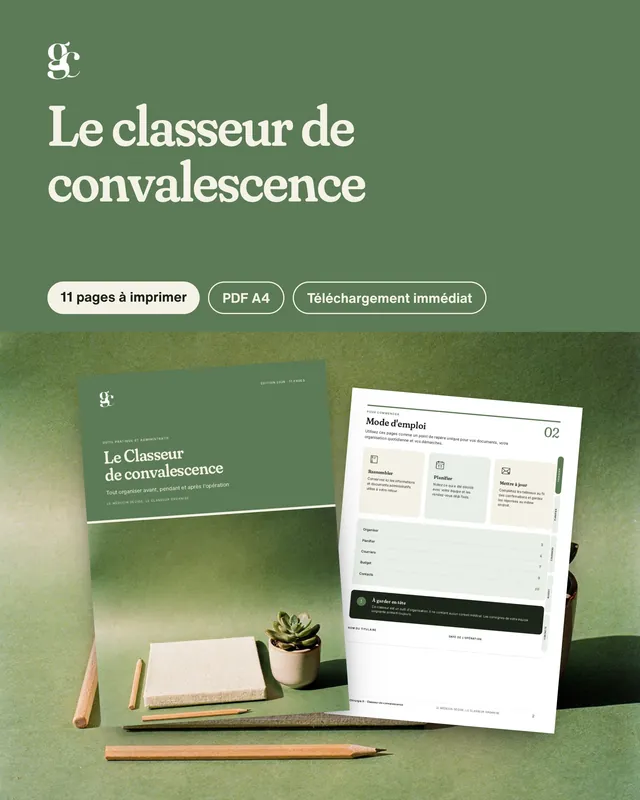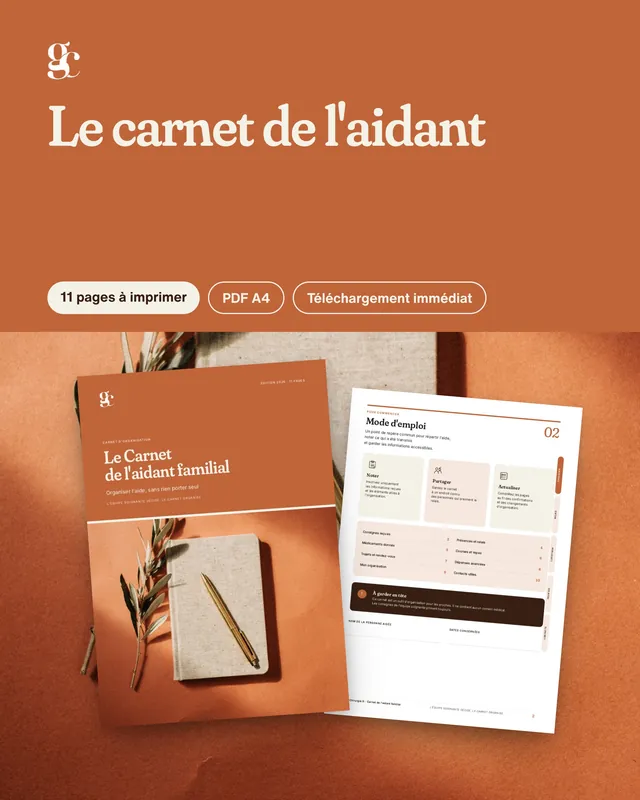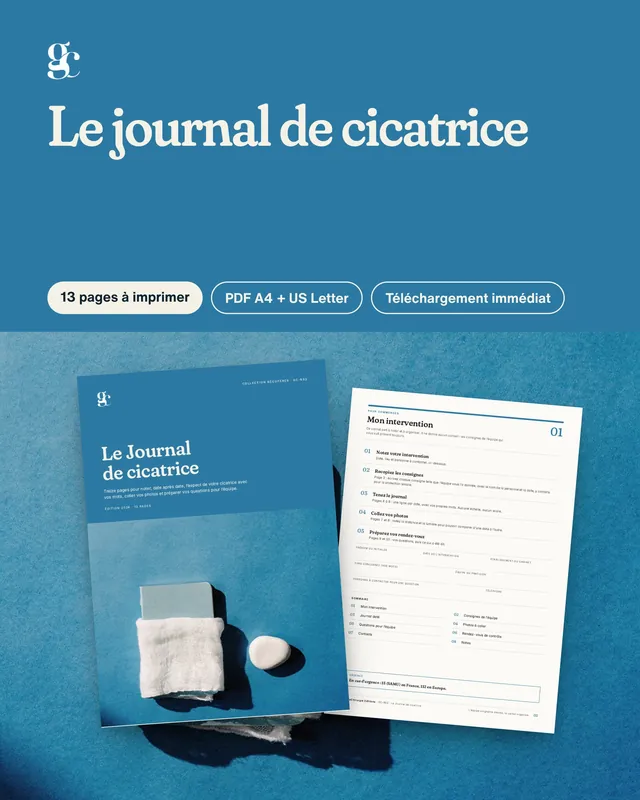
A get-well message after surgery doesn't need to be long or perfect: what's touching is knowing someone is thinking of you, without having to respond or reassure others. Support groups for patients advise avoiding promises like "everything will be alright," letting the person talk about what they want, and offering specific help rather than a vague "let me know." Here are some message ideas for before surgery, right after, and during recovery, what to avoid, concrete help to offer, and rules to know before visiting the hospital.
Quick answer
A short, sincere message is all you need. The British charity Macmillan, which supports cancer patients and their loved ones, advises against promising that everything will be alright and against pressuring the person to stay positive, but rather letting them talk about how they feel. Make it clear that they don't need to reply.
If you want to help, offer something specific: grocery shopping, a meal, a ride. At the hospital, the AP-HP (Paris Public Hospitals) asks that you not come if you are sick, that your visits be short, and that you do not bring flowers or plants.
| Moment | Example message | To avoid |
|---|---|---|
| The day before the operation | "I'll be thinking of you tomorrow. No need to reply." | To recount the operation that went wrong for a loved one |
| Just after | "Glad to know it's over. Get some rest." | Request medical details |
| During convalescence | "I'm going shopping on Thursday, can I bring you something?" | A "let me know" without a specific proposal |
I am not a doctor. This guide compiles information from the Macmillan Society, AARP, the Paris Public Hospitals (AP-HP, page "Receiving Visitors in the Hospital," updated June 12, 2026), the Geneva University Hospitals (HUG), and the Lausanne University Hospital (CHUV) to help you prepare your questions. The written instructions provided by your team always take precedence.
Get well soon message: what really matters
Many loved ones remain silent for fear of saying the wrong thing. Macmillan observes that this fear sometimes leads them to avoid the person, who can then feel alone in what they are going through. A message, even an awkward one, is better than silence.
A few simple principles suffice: a short, sincere message that doesn't ask for anything in return. Say that you're thinking of the person, that you're available, and that they don't need to reply, as Macmillan advises. Adapt the tone to your relationship: you wouldn't write the same thing to a colleague as you would to a brother or a long-time friend, reminds AARP, the American Association of Retirees.
Advertising
Before the operation: a word for the day before
The day before or the morning of the procedure, the person is often busy with preparations and sometimes anxious. A simple note, requiring no response, is most appreciated:
- "I'll be thinking of you tomorrow. No need to reply, I'll check in later."
- "Good luck with your operation. I'm here if you want to talk tonight."
- "We're sending you all our thoughts for tomorrow. We can't wait to see you again."
If the person is very anxious, avoid minimizing their anxiety ("it's a routine procedure") or exaggerating it. Instead, listen to their concerns. To help them prepare their questions, you can share our guidelines on pre-operative anxiety.
Right after the operation: short and without questions
During the first few hours and days, fatigue is often intense. A brief message, without requiring a full account, is welcome:
- "Glad to know it's over. Get some rest, we'll talk whenever you want."
- "Get well soon! I'm not bothering you, I'm just thinking of you."
- "Take all the time you need. If you need anything, I'm here."
Let the person decide what they want to share about their operation. If they do talk about it, listen and rephrase what they say rather than commenting: this is the approach Macmillan recommends to show that you have understood.
During convalescence: maintaining the connection
Recovery takes time, and messages often become less frequent after the first few days. Macmillan advises continuing to offer support and ask how things are going. Here are a few ideas depending on the relationship:
For a friend or loved one
- "How are you feeling today? I'll come by on Saturday if you'd like, otherwise we can talk on the phone."
- "I'm going shopping on Thursday: shall I bring you something?"
For a colleague
- "The whole team wishes you a speedy recovery. Take all the time you need, we'll take care of the rest."
- "We're thinking of you at the office. Don't worry about the files, just rest."
For an elderly parent or relative
- "I'll call you tomorrow late morning, so you don't have to do anything."
- "I'll come by on Wednesday with lunch. Let me know if you need anything at home."
In an elderly person, unusual confusion after surgery deserves to be reported to the team: see confusion after surgery in the elderly.
Advertising
Things you should avoid writing
- The promises ("everything will be alright") and the injunctions to remain positive: Macmillan advises letting the person honestly say what they feel;
- the comparisons with the operation of another, especially if it went badly;
- medical advice : the instructions come from the team that carried out the operation, not from a relative or a forum;
- the persistent questions Regarding the results or details: the person will talk about it if they wish;
- waiting for a response : specify that she does not have to respond, as Macmillan recommends.
Offer concrete help rather than just "let me know"
A specific offer is easier to accept. Macmillan cites help with gardening, shopping, cooking, or cleaning, and suggests taking the person for a leisurely walk or accompanying them to an appointment if they are concerned. AARP also suggests asking what would be appreciated, such as a favorite dish.
- bring a meal or run a specific errand, on a date agreed upon together;
- offer a route for a check-up appointment;
- help prepare the house for the return, with the Return home checklist ;
- looking after an animal, children or laundry for a few days.
If you are providing daily support to a loved one, the family caregiver's logbook helps you stay organized.
Visiting the hospital: rules you need to know
Before coming, ask the person if they feel well enough for a visit: they may prefer to remain alone, and that is their right. The AP-HP (Paris Public Hospitals) reminds patients that they can refuse visitors and request that no information be given about their presence, including to their family. Hours and rules vary from one department to another: please contact the department for information.
Hospital guidelines
- do not come if you are yourself sick or contagious, including colds, flu or gastroenteritis, insist the AP-HP and the HUG;
- come in small numbers, for a short visit, and respect the times so as not to interfere with care, requests the AP-HP;
- wash your hands when you arrive and when you leave, do not sit on the bed and do not touch the medical equipment, ask the AP-HP and the CHUV of Lausanne;
- Respect the rest of the person and their roommates, reminds the CHUV, and avoid making phone calls in the room, ask the HUG.
Flowers and plants: it's best to abstain.
The AP-HP (Paris Public Hospitals) requests that you do not bring flowers or plants, as the water in vases and the soil contain numerous germs; the HUG (Geneva University Hospitals) also prohibits potted plants and flowers. Instead, bring a card, a book, a magazine, or a playlist, and save the flowers for when you return home. For information on what the person can bring themselves, see the hospital bag guide.
A card, a message, or a call?
Anything is fine, depending on what the person prefers. If you can't come in person, Macmillan suggests calling, sending a message, an email, or a card, saying that a reply isn't necessary. A get-well card has the advantage of being kept and reread on days when spirits are low; a short message is easy to read during the first few days.
Advertising
F.A.Q
Should we ask for an update on the operation?
Instead, ask how the person is feeling, and let them choose what they want to talk about. If they don't answer, it's not a rejection: fatigue is common after surgery.
What should you include in a get well soon card?
A message that you're thinking of her, a thoughtful gesture or a small token of affection, and a concrete offer of help. Avoid making promises about the outcome of the surgery or giving medical advice.
Is it possible to send flowers to the hospital?
Often not: the AP-HP (Paris Public Hospitals) requests that you do not bring flowers or plants, for hygiene reasons. Check with the department, or give them away when you get home.
Sources consulted
- Macmillan Cancer Support, How to talk to someone with cancer, accessed on October 29, 2026.
- Macmillan Cancer Support, How do I support someone with cancer?, accessed on October 29, 2026.
- AARP, What to say to someone who is sick, accessed on October 29, 2026.
- Lausanne University Hospital (CHUV), Visiting a loved one, accessed on October 29, 2026.
- Geneva University Hospitals, Guide for Relatives, accessed on October 29, 2026.
Editorial note: This article was written on October 29, 2026, using sources consulted on that date. The sample messages are suggestions to be adapted to your relationship with the person. Internal reference: message-bon-recapssement-apres-operation-20261029.