
A mattress topper for convalescence can alter the comfort of the bed when a normally acceptable mattress feels too firm, too hot, or makes changing position difficult. It also changes the height, stability, and ease of transfers. Therefore, the right purchase isn't necessarily the model marketed as the most "medical," but rather the one that remains compatible with the bed, your permitted movements, and the medical team's instructions.
A consumer-grade mattress topper is a comfort accessory. It does not prevent or treat pressure sores. It does not relieve pain, accelerate healing, or guarantee proper body alignment. If a medical mattress or specialized surface has been prescribed, do not add anything to it without approval from the medical team that provided it.
Is a mattress topper useful for convalescence?
It can make the bed feel more comfortable when the current surface is considered uncomfortable. This perception remains individual: a material that feels welcoming to one person may retain too much heat, restrict movement, or give another a feeling of sinking in. No single type of foam or level of firmness is suitable for all procedures.
Before buying, reread the permitted sleeping positions and movement restrictions. The post-surgery sleep guide reminds you that the type of surgery and the discharge instructions take precedence over any sleeping preference. A mattress topper should never be used to make a prohibited sleeping position possible.
In what cases should you seek advice before buying?
- You have limited mobility or cannot turn around without assistance.
- An area of skin remains painful, hot, hard, or changes in appearance.
- You have already had a pressure ulcer or are using a prescribed pressure-relieving surface.
- A loss of sensation prevents you from feeling excessive pressure or heat.
- A drain, a dressing, an orthosis or other equipment must remain accessible.
- The addition significantly changes the height required to get in and out of bed.
In these situations, the team can assess the risk, mobility, and skin condition before recommending a suitable surface. Post-surgical recovery at home is prepared with the human assistance and equipment truly needed, rather than an accumulation of accessories.
Advertising
Comfort mattress topper and medical mattress: what's the difference?
A medical pressure-redistributing surface is chosen after a clinical evaluation. It may be part of a set including the mattress, a pump, a cover, and precise adjustment. A mattress topper sold to improve the comfort of a regular bed is not equivalent, even if its product description uses the words "pressure," "ergonomic," or "therapeutic."
Do not place a standard mattress on top of an air, dynamic, or specialized mattress without prior agreement. An additional layer can alter the contact, stability, or intended function. It also does not replace position changes, skin monitoring, and a care plan established by professionals.
Start by measuring the bed and the mattress
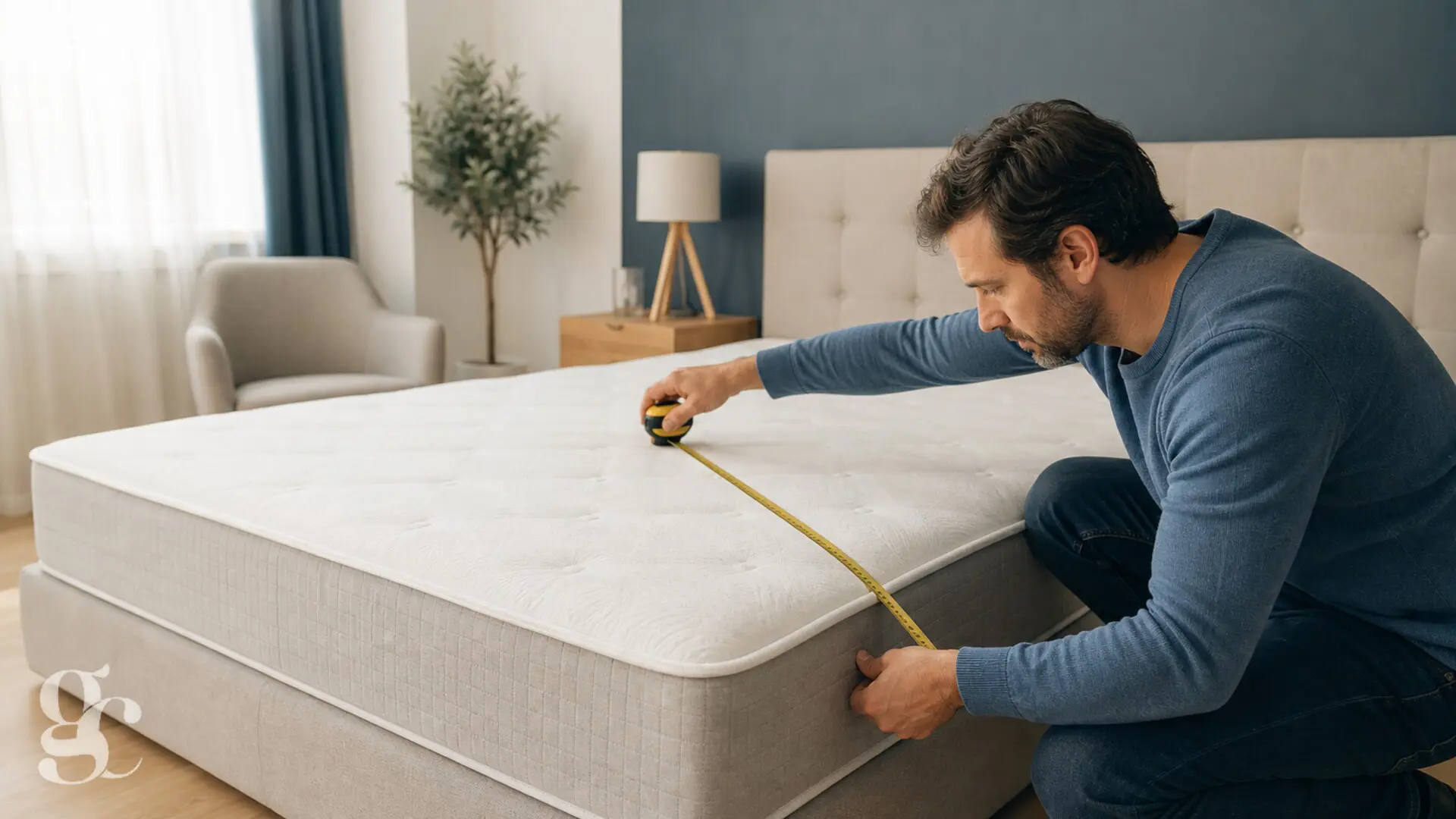
Exact length and width
Measure the mattress, not just relying on its size label. A mattress topper that's too small will create a step on the sides; one that's too large may bunch up or hang off the sides. Also check the depth available under the fitted sheet and its compatibility with any existing mattress protector.
Final thickness and height
The added thickness changes the seat height at the edge of the bed. Before keeping the product, test getting in and out of bed with the usual assistance provided. Your feet should be able to find stable support, and no prescribed hardware should be difficult to reach. Greater thickness is not automatically more comfortable.
Firmness and materials: avoid universal promises
Memory foam
It offers a supportive feel, but may make turning over or sitting up more difficult for some people. It may also feel warm depending on its structure, the room, and the bedding. Expressions like "perfect support" or "guaranteed relief" cannot predict your actual comfort level.
Fibers, latex and other fillings
Fibers can provide a softer feel but can flatten or shift. Latex and some foams have different rebound characteristics. Compare the composition, weight, odor upon unpacking, allergy precautions, and manufacturer's instructions. The material alone doesn't determine the perceived firmness or ease of movement.
Advertising
Stability and transfers: a real test

Check the non-slip surface, the straps, and the corners. The mattress topper should not slip when you sit on the edge or turn within the permitted range of motion. The sheet should remain taut, without significant creases. If you use a lifting aid to get up, check its compatibility with the rest of the bed with the professional who recommended it.
Pain that appears or increases during the trial is not a sign that the body is "adapting." Remove the device and follow the guidelines in the post-operative pain management section . Any sudden change or pain accompanied by other symptoms should be reported to the team.
Ventilation, heat and humidity: check the tolerance
A convoluted foam mattress, a so-called breathable cover, or a plant-based fiber doesn't guarantee a precise temperature. The warmth also depends on the mattress, the mattress protector, the sheet, the clothing, and the room. Check if the cover is removable, how it's washed and dried, and if additional protection is permitted by the manufacturer.
In hot weather, monitor perspiration and skin condition without attempting to directly cool the surgical area. The advice in the post-operative heatwave guide still applies. Avoid products that retain moisture, have a persistent odor, or cause irritation.
Cover and care: consider the actual recovery
A removable cover makes maintenance easier, but the instructions must specify washing and drying procedures. Check that the zipper is not located under a sensitive area and that removing it doesn't require effort incompatible with your limitations. Ask who can handle the bedding if you are unable to lift or turn the product over.
A mattress topper should never be placed in direct contact with a wound. It does not replace a dressing or a bed pad recommended by the medical team. The information on dressings after surgery helps to distinguish between bedding hygiene and wound care.
A specific example to compare with your criteria
Transparency: The image and button below are affiliate links and may generate a commission for GuideChirurgie without affecting the price paid. They link to the same product page, not to a prescription device. Check the size, height, care, stability, and return policy before ordering.
Checks to be carried out during the return period
- The dimensions correspond exactly to the mattress.
- The mattress topper stays flat and does not slip during transfers.
- The final height always allows for safe sitting and standing.
- The heat and humidity remain tolerable.
- The cover and closures do not press on any sensitive areas.
- The washing and drying instructions can be followed at home.
Keep the packaging and read the return exclusions before an extended trial. If the product digs in, slips, restricts movement, or obscures an area that needs monitoring, do not attempt to alter it. Contact the seller for returns and the healthcare team if the issue involves skin, pain, or recovery.
Advertising
F.A.Q
Does a memory foam mattress topper prevent bedsores?
No. A consumer product is not a substitute for risk assessment, a specialized surface, skin monitoring, or repositioning assistance. Seek advice if your mobility is severely limited or if any area of skin changes.
Should we choose the thickest model?
No. The thickness affects the comfort, but also the height of the bed and ease of movement. The dimensions, stability, heat tolerance, and compatibility with your transfers are just as important.
Can it be placed on a medical mattress?
Not without validation from the team or department providing the mattress. Layering may alter the intended function of the medical surface.
Verified sources
- French National Authority for Health: Prevention and treatment of pressure ulcers in adults
- NICE: Pressure ulcers: prevention and management
- NHS: Pressure ulcers
- University Hospitals Plymouth NHS: Pressure ulcer prevention
- NHS: Recovery after surgery
- Hull University Teaching Hospitals NHS: Advice after lumbar surgery