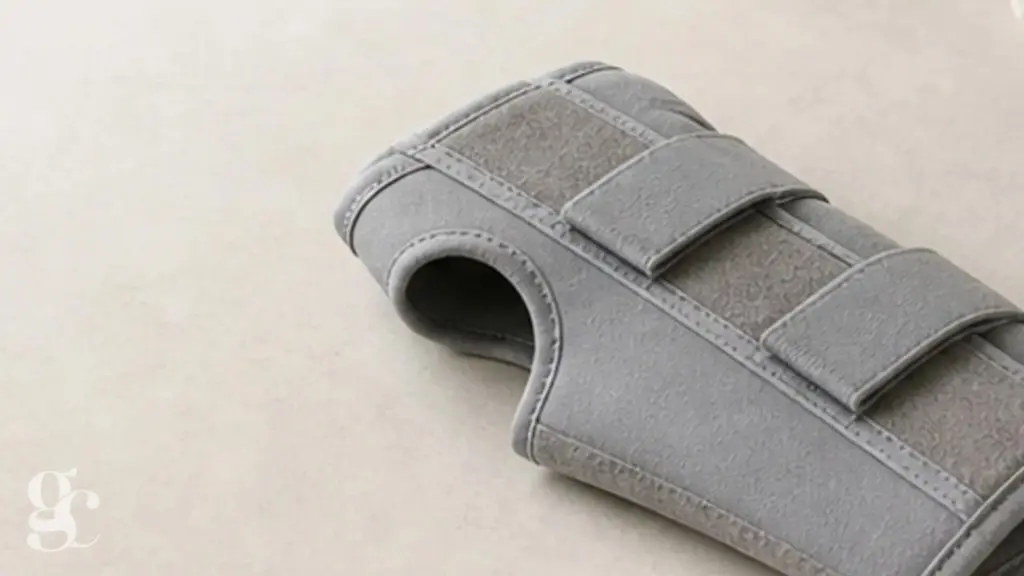
A wrist brace after surgery must be appropriate for the procedure performed and the prescribed brace. A flexible sports brace, a thumb immobilizer, and a custom-made shell do not serve the same purpose. Before purchasing or replacing the brace provided, confirm the reference number, side, size, rigidity, and when it can be removed.
The goal may be to protect a surgical repair, maintain a specific position, limit certain movements, or support the hand during an activity. It varies depending on whether the surgery involves carpal tunnel syndrome, a tendon, a ligament, a bone, or a joint. Pain alone is insufficient to determine the degree of immobilization.
Why does the wrist brace after an operation depend on the procedure performed?
Tendon repair may require very precise positioning, while another procedure may allow for certain movements. A prefabricated orthosis may be suitable in one protocol and insufficient or too restrictive in another. The protection of the thumb, fingers, or forearm also depends on the structure involved.
After carpal tunnel surgery , a splint is not automatically worn by all patients, nor according to the same protocol. Do not reuse an old splint or follow a relative's protocol without approval from the medical team.
Advertising
Flexible, rigid or custom-made: what are the differences?
The textile splint with reinforcement
It combines fabric, straps, and sometimes a palmar or dorsal stay. It can restrict certain movements while remaining easy to open. Its flexibility does not guarantee its suitability for surgical repair, and the support should not be bent at home unless instructed by a therapist.
The rigid or thermoformed orthosis
It maintains a defined position and can be made or adjusted by an occupational therapist or a hand physiotherapist. Heat can deform it. Do not place it on a radiator, cut an edge, or redrill a strap to change the fit.
The model including the thumb or fingers
It can protect an area of the body beyond the wrist. A product that leaves the thumb free is not a substitute for a model designed to stabilize it, and vice versa. Check the exact product name, as catalogs often mix up wrist supports, thumb braces, and resting splints.
What elements should be included in the instructions?
- side of the operated hand (right or left), and any ambidextrous model actually authorized;
- area to immobilize: wrist only, thumb, fingers or forearm;
- reference, size or measurements to take despite swelling;
- wrist position and reinforcements which must not be modified;
- times of wearing, removing and exercises permitted by the protocol;
- What to do if the dressing, wound or swelling changes.
Request a demonstration of how to open and close the splint, especially if your other hand is less available. Take a photograph of the correct positioning only if the healthcare professional agrees. Include this information in your post-surgery home care plan.
How to check the size and side?
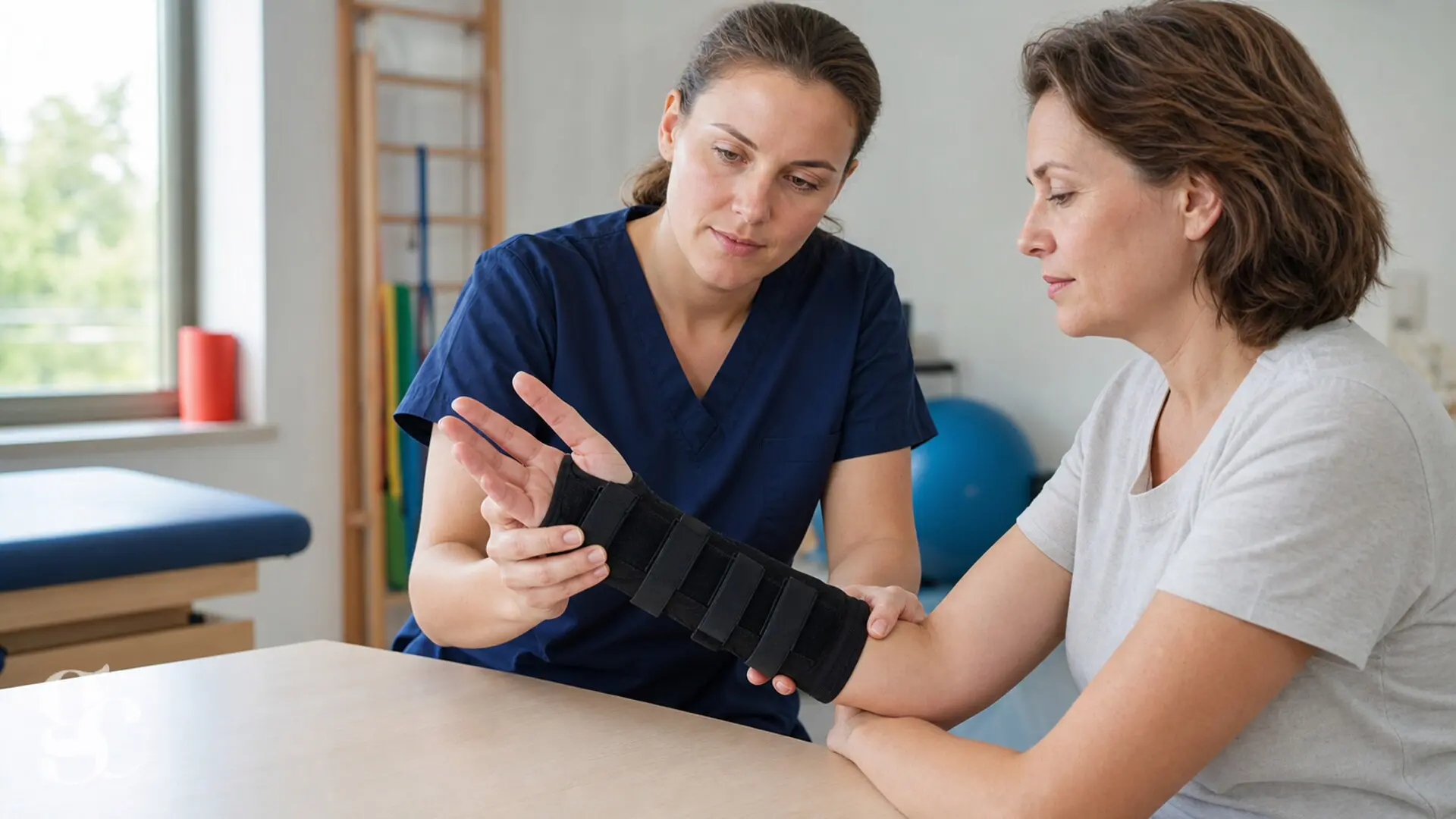
The measurement should follow the model's instructions and take into account the area indicated by the team. Post-operative swelling may alter the fit; do not choose a tighter size for "better immobilization." Check the right/left label, thumb placement, and the direction of the stays before fastening the straps.
The fingers should maintain their normal color and temperature, and the splint should not create a sharp edge or crease under the hand. A splint that rotates, slips, or leaves the operated area without the expected support should be reassessed rather than tightened to the maximum.
Advertising
Straps and reinforcements: tighten without compressing
Fasten the straps in the order you have learned and distribute the tension evenly. Excessive compression can worsen swelling, cause marks, tingling, or discoloration. Fastening them too loosely can allow the wrist to move around in the brace and cause chafing.
Do not add a strap, foam, thick pad, or improvised reinforcement. If an edge interferes with the scar or dressing, contact the department or therapist. The post-operative dressing guide does not replace checking compatibility with the orthosis.
Skin, dressings and scars: what to watch out for?
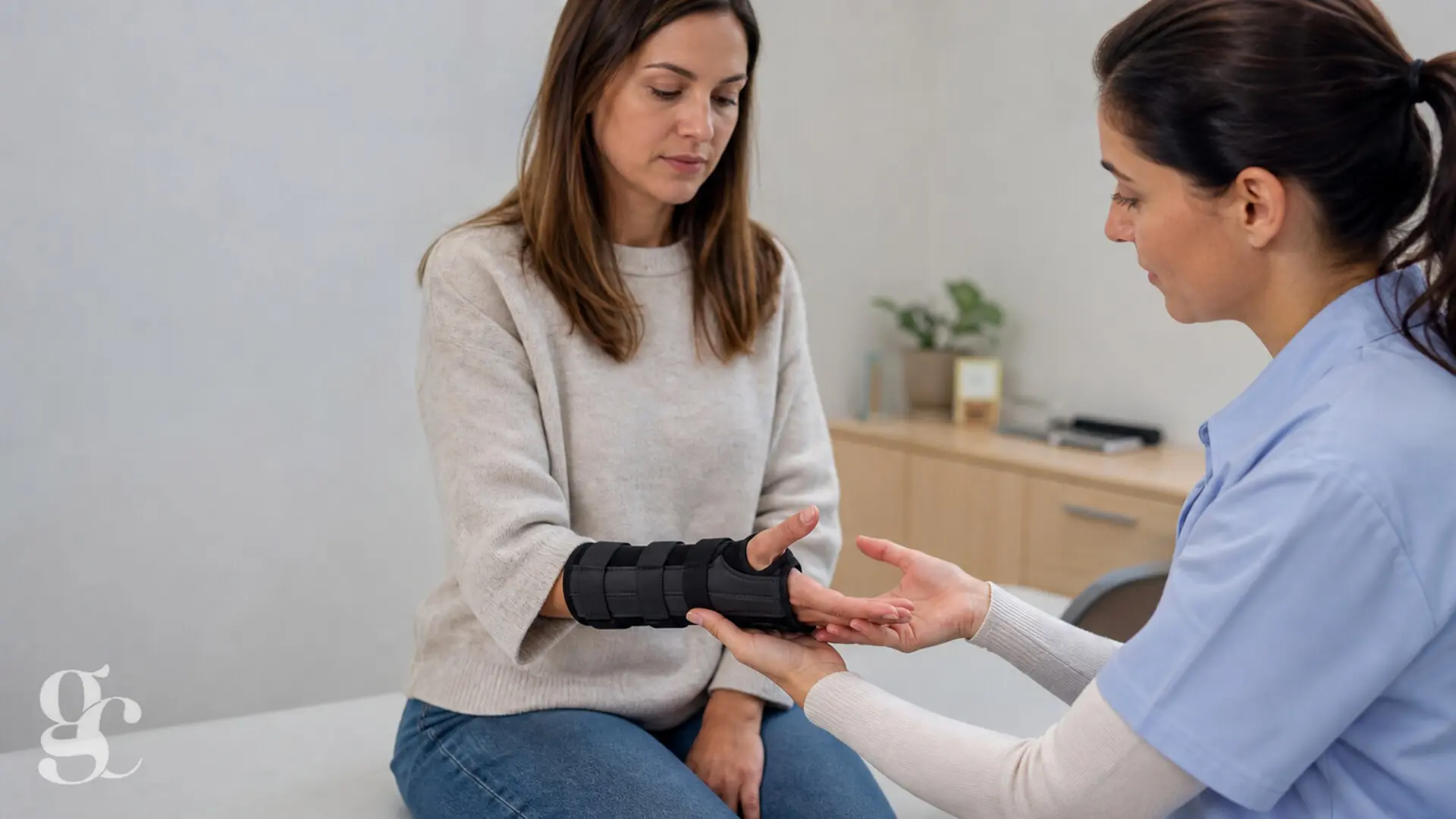
- persistent redness, blister, abrasion or moist area under the splint;
- pain that increases or appears on one edge of the device;
- swelling that progresses beyond the straps;
- dressing displaced, saturated or compressed by a reinforcement;
- unusual odor, discharge or heat around the wound;
- splint has become too tight or too loose since the last check-up.
An itchy scar should not lead to placing an object under the splint. A dissolvable suture that is exposed should not be cut to avoid friction: have the area examined.
When to remove the splint?
Follow only the specified times for hygiene, care, or exercise. Some protocols allow for controlled removal; others require holding the hand in a particular position when the brace is open. Do not interpret instructions given for a specific activity as general permission.
If the splint causes a change in color, unusual coldness, marked numbness, intense pain, or rapid swelling, loosen or remove it only according to the explained emergency plan and contact the team immediately. If no instructions have been given, seek medical attention rather than waiting.
Advertising
Hygiene and maintenance of the device
Follow the label and instructions. Some textile components can be washed after removing a stay, while the thermoformed cups can be cleaned without heat. The device and the skin must be completely dry before repositioning, unless a specific dressing protocol is followed.
Inspect the seams, edges, straps, and reinforcements. A damaged, deformed, or contaminated splint must be replaced or inspected. Do not lend it out or buy a used model whose shape, hygiene, and history cannot be verified.
Check the reference number before purchasing.
Before purchasing, ask for the exact reference number, side, size, rigidity, and whether it includes a thumb. A general category of wrist braces mixes uses incompatible with a precise postoperative protocol.
What signs require urgent medical attention?
Contact the surgical department immediately if the pain worsens despite prescribed measures, if swelling progresses, if the fingers become very numb, if motor function changes, if the wound drains, or if the splint no longer stays in place. Post-surgical pain should be described along with any associated symptoms; also consult the guide on pain after surgery.
Call 15 (SAMU) in France, or 112 from any European country if the hand suddenly becomes cold, very pale or bluish with intense pain, if significant bleeding crosses the dressing, if a fall causes deformity, or if discomfort, confusion, chest pain or difficulty breathing occurs.
F.A.Q
Is an ambidextrous splint always suitable?
No. The design, the splint, and the thumb position must correspond to the side and the protocol. "Ambidextrous" on a label does not replace professional validation.
Is it possible to sleep with the splint on?
Only if it's part of the instructions. Nighttime use affects skin monitoring and swelling; do not decide on continuous wear without proper guidance.
When can we stop wearing it?
There is no universally set date for discontinuing the brace. Discontinuation depends on the surgical structure, the healing process, the examination, and the rehabilitation program. Have any reduction in brace use validated.
Verified medical and institutional sources
- South Tees Hospitals NHS: Wrist splint, use and precautions
- Bradford Teaching Hospitals NHS: Wearing and caring for soft splints
- Cambridge University Hospitals NHS: Advice on adjusting a wrist brace
- Worcestershire Acute Hospitals NHS: Skin monitoring and care
- Cambridge University Hospitals NHS: Splints after tendon repair
- NHS: Hand tendon repair and postoperative follow-up
Editorial note: This general information article was verified on July 17, 2026. It does not prescribe any model, position, or wearing time. The prescription and the hand therapist take precedence.