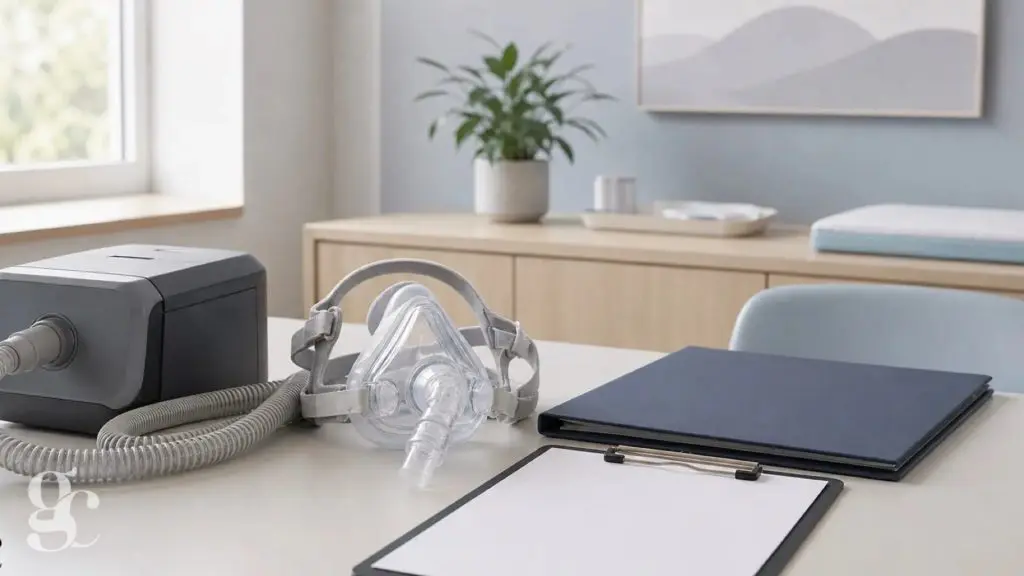
Sleep apnea and anesthesia should be discussed together before the procedure, even if apnea is only suspected. This information helps the team prepare for airway management, medication selection, awakening, and postoperative monitoring.
Proper preparation is not about interpreting symptoms on your own, adjusting CPAP pressure, or interrupting treatment. It's about submitting accurate medical records, bringing the required equipment, and obtaining written instructions tailored to the procedure and your health condition.
Sleep apnea and anesthesia: what is the link?
Obstructive sleep apnea is characterized by repeated blockages of the upper airways during sleep. Breathing becomes shallow or temporarily stops, then resumes. These episodes can fragment sleep and be accompanied by snoring, waking with a feeling of suffocation, headaches upon waking, or daytime sleepiness.
These signs are not specific. Isolated snoring, fatigue, or observing a loved one is not sufficient for a diagnosis. Diagnosis relies on a medical evaluation and, when deemed necessary by the professional, a sleep study. Therefore, this article does not provide any thresholds for self-interpretation.
Advertising
Why is this information important for anesthesia?
Sleep, anesthesia, and certain medications decrease airway tone. In a person with sleep apnea, the medical team may need to more precisely anticipate ventilation, awakening, and the effects of painkillers or sedatives. This does not mean that a complication will occur, but that the risk must be identified early rather than discovered late.
The strategy depends on the type of procedure, the planned anesthesia, any other medical conditions, sleep management, and expected recovery time. The pre-operative anesthesia consultation is the crucial time to gather this information and ask any necessary questions.
Confirmed diagnosis or simple suspicion: what to declare?
If sleep apnea is diagnosed
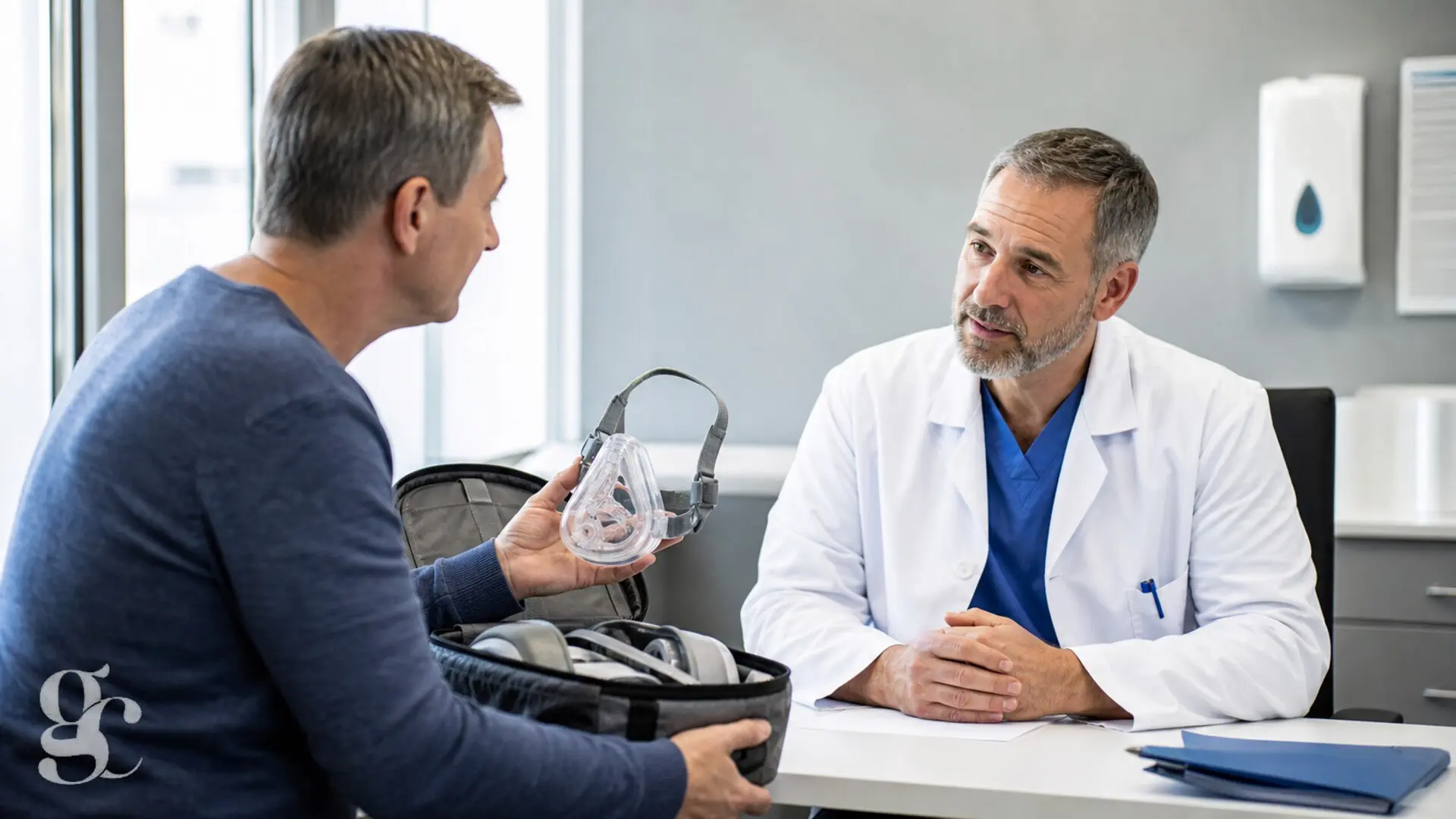
Provide the name of the sleep specialist or department, the treatment used, and the date of the last follow-up. Bring the sleep study report if you have it, as well as any recent correspondence. Report any difficulties with the mask, treatment interruptions, and any recent changes prescribed by the sleep team.
If sleep apnea is only suspected
Describe the facts without drawing conclusions: loud snoring, observed pauses in breathing, nighttime choking, unrefreshing sleep, or unusual sleepiness. A suspicion does not constitute a diagnosis. The attending physician, the pre-operative team, or a specialist decides whether further evaluation is necessary and how to integrate it into the surgical schedule.
What information should I prepare before the consultation?
- the sleep report and the specialist's letters;
- the name and model of the device used;
- the type of mask and any potential tolerance issues;
- associated respiratory, cardiac or neurological diseases;
- the complete list of sedative medications, supplements and products;
- breathing difficulties or drowsiness that have recently worsened;
- the contact details of the person who usually monitors your sleep.
Don't reduce the situation to "I'm sleeping poorly." Documents and observed facts are more helpful. The pre-operative checklist allows you to gather these elements along with the prescriptions and the appointment letter.
Advertising
Should I bring my CPAP machine to the hospital?
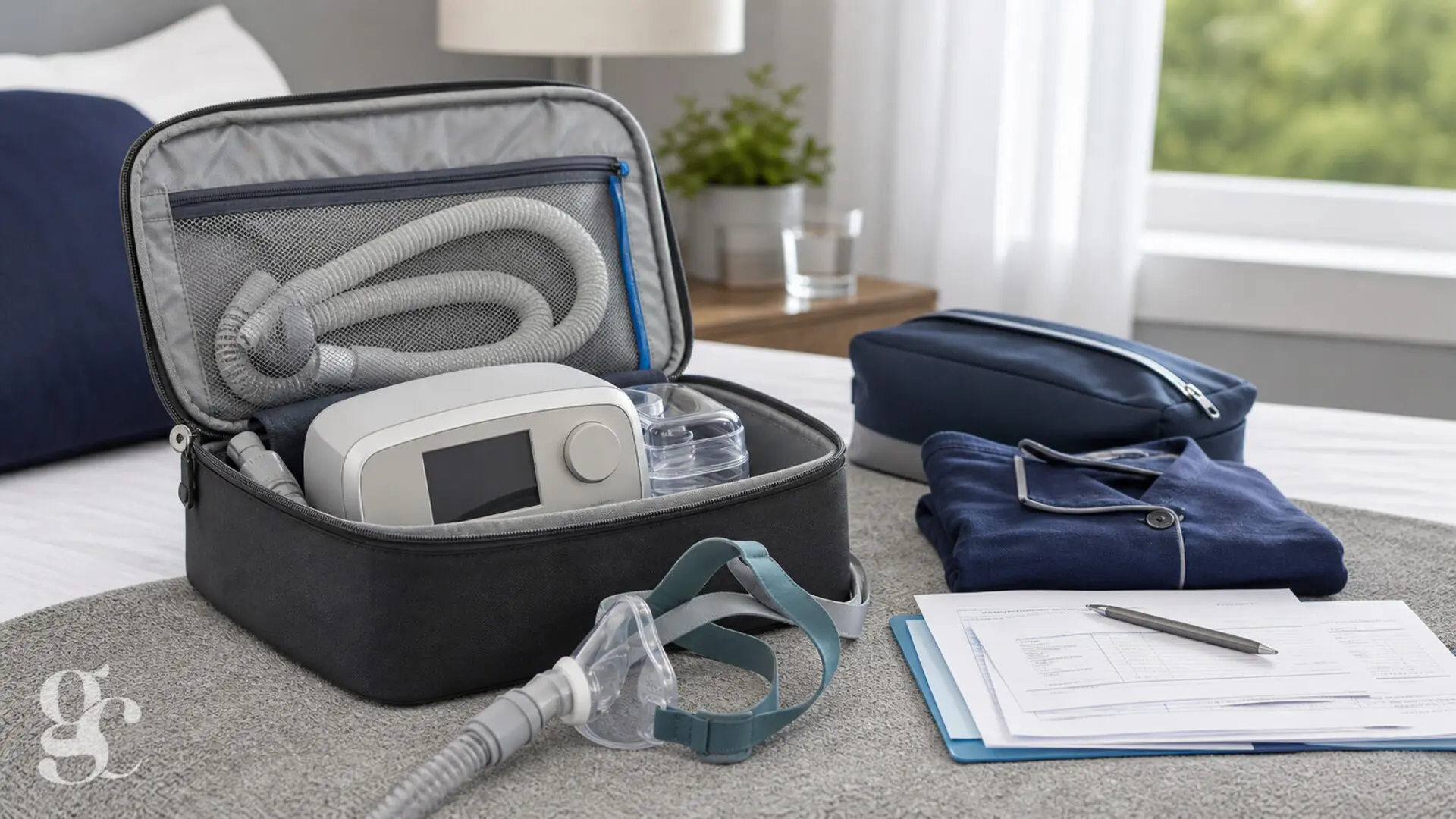
Institutional guidelines encourage patients already receiving treatment to report their device and bring it with them when requested by the facility. Bring the case, mask, tubing, power supply, and any other accessories typically needed. Label the case and inform the staff upon admission.
The team decides when and how to use it
Bringing your CPAP machine does not mean it will be used at every stage. Its compatibility with oxygen, monitoring devices, and the recovery area must be verified by professionals. Do not attempt to connect a fitting yourself or put on the mask without the team's approval when they ask you to wait.
No improvised adjustments
Never change your CPAP settings yourself before or after surgery. Any unusual pressure, leakage, or discomfort should be reported to the sleep clinic, your healthcare provider, or the hospital team. Do not use the settings from another device and do not lend your mask to anyone else.
Medication and fasting: what should you not decide alone?
Declare all medications that promote sleep, reduce anxiety, relieve pain, or relax muscles, whether prescribed or not. Do not stop, postpone, or restart any medication simply because you have sleep apnea. Your anesthesiologist or prescribing physician will provide individualized instructions.
Fasting before anesthesia also follows the hospital's instructions. A prohibition on eating does not imply that a pill should be omitted. If the documents seem contradictory, call the department before making any changes.
How can the team adapt the care provided?
The team can discuss the anesthetic technique, airway management, how to limit certain medications, and the level of monitoring required upon awakening. These choices are not based solely on the name of the illness. They depend on the procedure, the examination, the patient's history, and the facility's resources.
The patient does not have to choose between local, regional, or general anesthesia to mitigate risk. However, they can ask about the available options, why they are suitable for their situation, and how their breathing will be monitored. The decision is made in consultation with the anesthesiologist.
Advertising
Does sleep apnea prevent outpatient surgery?
A diagnosis does not automatically preclude access to outpatient care. The team assesses the surgery, associated illnesses, treatment, respiratory recovery, and discharge conditions. They may confirm the planned discharge, extend monitoring, or choose an alternative arrangement.
No single observation period is suitable for everyone. Discharge depends on clinical criteria assessed on site. If same-day discharge is planned, prepare for the accompanying person and consult the guide for accompanying persons after outpatient surgery.
What should be reported during recovery and hospitalization?
Inform healthcare professionals if you experience difficulty breathing, a feeling of suffocation, unusual drowsiness, insufficient pain relief, nausea that prevents mask use, or discomfort related to CPAP. Do not remove any monitoring device yourself or take any medication from your bag.
Positioning, oxygen, CPAP, and pain medication are coordinated by the team. Instructions given to another patient do not automatically apply. Before discharge, request a written plan outlining sleep, medications, equipment, and contact information in case of problems.
How to organize the first night at home?
Follow the discharge summary and use the CPAP machine only as prescribed and as instructed. Keep the phone, documents, and service contact information readily available. The accompanying person should know the signs to call for, but should not be responsible for interpreting measurements or adjusting the device.
Don't choose a sleeping position on your own that's supposed to "prevent sleep apnea." Restrictions related to the procedure may take precedence. Our guide to sleeping after surgery explains why your position and equipment must comply with your surgeon's instructions.
What signs require urgent medical attention?
- significant or rapidly increasing difficulty breathing;
- bluish lips, confusion, loss of consciousness or inability to wake up;
- Chest pain, sudden discomfort or weakness;
- unusual extreme drowsiness after taking medication;
- Device malfunction associated with worrying respiratory distress.
Call 15 (SAMU) in France, or 112 from any European country in case of distress, loss of consciousness, or chest pain. For less severe but new symptoms, contact the service indicated on your discharge summary as soon as possible. Do not drive if you are impaired.
F.A.Q
Should I hide my symptoms to avoid a postponement?
No. Hiding them prevents the team from organizing security. A suspicion or diagnosis does not automatically lead to cancellation; the decision depends on the entire case.
Can I use a borrowed CPAP machine for the operation?
Not without a prescription and validation. The mask, device, and settings are personal. Instead, inform the staff if you don't have your own equipment.
Is snoring enough to confirm sleep apnea?
No. It may prompt a discussion with a professional, especially if accompanied by other signs, but it does not replace a medical evaluation.
To remember
Report the diagnosis or suggestive symptoms as soon as possible during the preparation phase. Bring the reports and CPAP machine if requested by the department. Do not change the settings, medications, or fasting regimen. Have the monitoring and return conditions clearly specified in writing.
None of the links in this article are affiliate links. This general information is never a substitute for the decisions of the anesthesiologist, surgeon, and sleep team who are familiar with your case.
Verified medical and institutional sources
- French Society of Anesthesia and Intensive Care: Obstructive Sleep Apnea Syndrome and Anesthesia
- French National Authority for Health: Continuous positive airway pressure devices for obstructive sleep apnea
- Royal College of Anaesthetists: Anesthesia, obstructive apnea and preparation
- Centre for Perioperative Care: Perioperative management of obstructive sleep apnea
- NICE: Obstructive sleep apnea and hypoventilation syndrome in adults
- NHS: Symptoms, assessment and treatment of sleep apnea